Call us: +(20) 2 22401140 - email Us: info@pharaohes.org

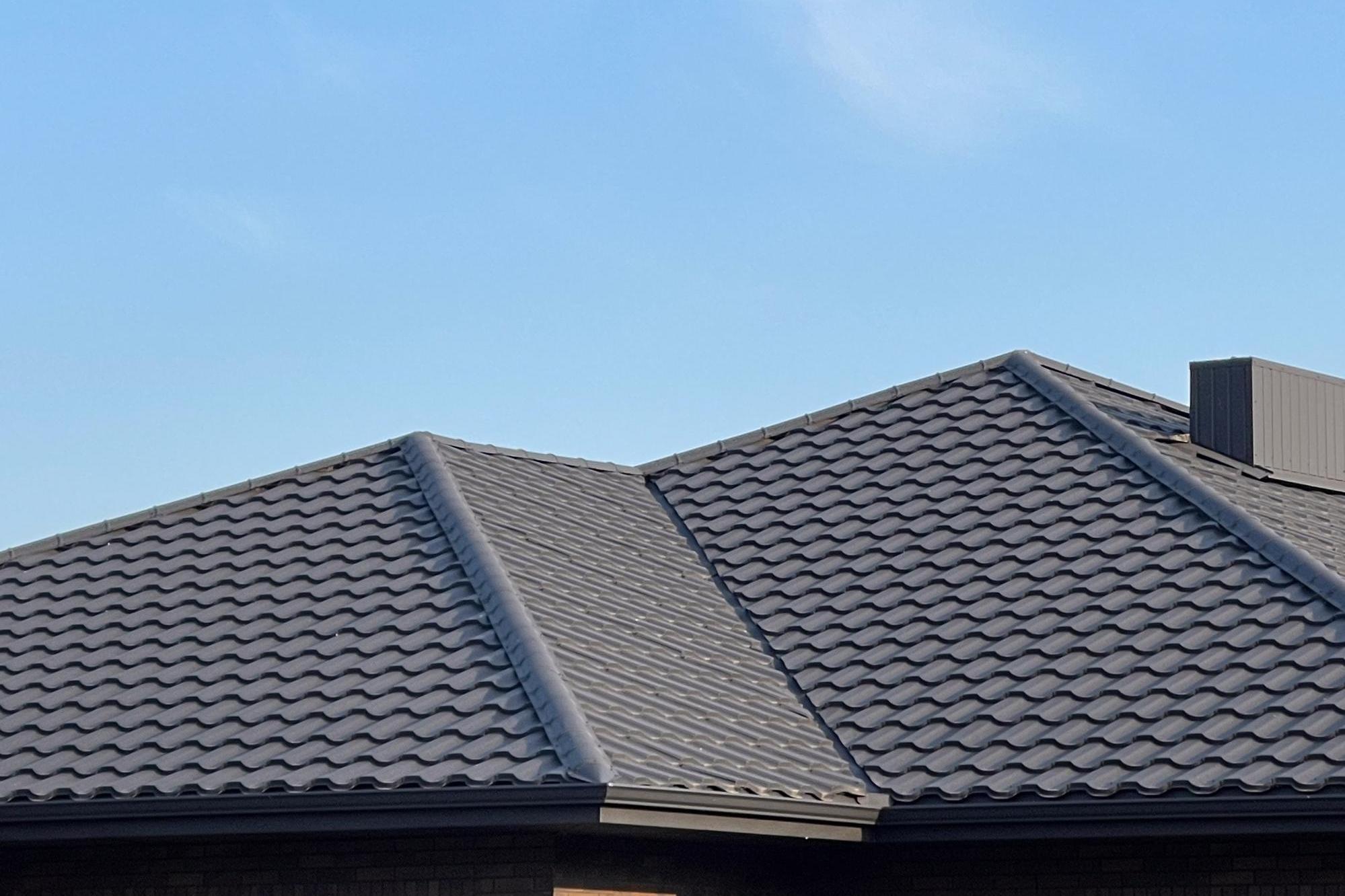

If you’ve been following our blog – from choosing Egyptian HDF flooring to knowing when to install metal roofing – you know we focus on one thing: what actually works in Egyptian homes, season after season. Today, we’re talking about a material that has been protecting Egyptian houses for centuries, but now with modern engineering: clay tile roofing.
At Pharaohes Company, we offer a curated selection of high-performance clay tiles under our Kebe line. These aren’t the heavy, uneven, fragile tiles of the past. Our Kebe collection includes Roman Portuguese, Marseille Natural Color, Roman Gothic, and Ideal Marseille – each tested to European standards (EN 539-1 and EN 539-2) for water impermeability and frost resistance. Whether you’re restoring a historic home in Old Cairo or building a modern villa in New Cairo, there’s a Kebe clay tile designed for you.
Just like installing HDF flooring during dry weather gives you a flatter, longer-lasting floor, choosing the right clay tile system and installing it in spring gives you a roof that can easily last 50+ years. Let’s break down the numbers, the options, and why Kebe clay tiles are worth every piaster.
What Makes Modern Kebe Clay Tiles Different From Ordinary Clay
Old-fashioned clay tiles had real problems: they absorbed water, cracked in winter rains, varied in size, and weighed a ton. Our Kebe tiles solve all of that with precision manufacturing and rigorous testing.
Here are the actual specifications from our data sheet:
| Model | Pieces/m² | Dimensions (cm) | Weight/piece | Water Impermeability | Frost Resistance |
| Roman Portuguese | 13 pcs | 40 x 25 | 3.20 kg | >20 hours (EN 539-1) | 150 cycles (EN 539-2) |
| Marseille Natural Color | 14 pcs | 41 x 24 | 3.00 kg | >20 hours (EN 539-1) | 150 cycles (EN 539-2) |
| Roman Gothic | 13 pcs | 40 x 25 | 3.20 kg | >20 hours (EN 539-1) | 150 cycles (EN 539-2) |
| Ideal Marseille | 11 pcs | 48.0 x 25.0 | 3.60 kg | >20 hours (EN 539-1:2015, Pass) | 150 cycles (EN 539-2:2006) |
What these numbers mean for your home:
Water impermeability >20 hours – Your roof will not leak even during a full day of heavy January rain. That’s double or triple what cheap local tiles offer.
Frost resistance 150 cycles – Clay expands and contracts with temperature changes. 150 freeze-thaw cycles (tested at -20°C to +20°C) means our tiles survive Cairo’s cool winter nights and hot summer days without cracking. Many cheaper tiles fail after just 25 cycles.
Weight per square meter – Roman Portuguese gives you about 41.6 kg/m² (13 x 3.20). Ideal Marseille gives 39.6 kg/m². That’s significantly lighter than traditional hand-made clay (60+ kg/m²), so your roof structure doesn’t need heavy reinforcement.
Which Kebe Clay Tile Model Is Right for Your Home?
Not all clay tiles look the same. Each of our four models has a distinct profile and aesthetic.
Roman Portuguese (40×25 cm, 13 pcs/m²)
A classic S-shaped profile that creates deep, dramatic shadows. Best for traditional Egyptian and Mediterranean-style homes. The waves run vertically down the roof, giving a rhythmic, elegant look. Distance between shingles: 35-35.5 cm.
Marseille Natural Color (41×24 cm, 14 pcs/m²)
A slightly smaller, interlocking tile with a flatter profile. The “Natural Color” means a warm, earthy terracotta tone straight from the clay body – no heavy pigments. Ideal for homeowners who want an authentic, old-world feel. Distance between shingles: 34-34.5 cm.
Roman Gothic (40×25 cm, 13 pcs/m²)
Similar dimensions to Roman Portuguese but with a sharper, more pointed Gothic curve. This profile looks stunning on villas with arched windows or Gothic revival details. Same weight and spacing as Roman Portuguese.
Ideal Marseille (48×25 cm, 11 pcs/m²)
Our largest format tile. Because it covers more area with fewer pieces (11 per m² vs. 13-14 for others), installation is faster and there are fewer seams. The larger size gives a more modern, clean look while still being a true clay tile. Weight per m² is 39.6 kg – the lightest of the four.
Pro tip: Order a few sample pieces of each profile and lay them side by side on a flat surface. The shadows and curves look very different in morning vs. afternoon sun. We’re happy to help you choose.
Color Options: Beyond Terracotta
Most people think clay tiles only come in that standard orange-red. Not anymore. Our Kebe accessories and color options include:
SMALTO – A glazed, slightly shiny finish (great for coastal homes)
RED – Classic rich terracotta
GREY – Modern, understated, hides dust well
GREEN – Natural, earthy, blends with gardens
BROWN – Deep chocolate tone
BLACK – Dramatic, contemporary
OCHRE – Warm golden-yellow
BLUE – Unique statement color (rare in Egypt)
You can mix body tiles with contrasting ridge tiles (accessories) for a custom look. For example, Roman Portuguese body tiles in RED with SMALTO ridges in BLACK or BROWN.
Why Spring Is the Best Time to Install Clay Tile Roofing in Cairo
Just like we explained in our metal roofing article, timing matters. Clay tile installation is picky about weather – maybe even more than metal.
Cold mornings (below 12°C) can make clay more brittle. In Cairo winter, early mornings are often too cold for safe handling. Spring mornings are perfect.
Rain during installation is a disaster. Wet clay tiles are slippery, and mortar (if used) won’t set properly. Spring in Cairo is reliably dry.
Moderate temperatures help adhesives and sealants cure without rushing. Summer heat can make them dry too fast, creating weak bonds.
That’s why most experienced clay tile roofing contractors in Cairo – including the ones we work with at Pharaohes – schedule major clay projects between February and April, or again in October and November. Right now, you’re in the prime window.
How Our Kebe Clay Tiles Handle Cairo’s Seasons
Summer:
Clay absorbs less heat than concrete. Our tiles have natural air pockets that slow heat transfer. While metal might reflect more, clay’s lower thermal conductivity means less heat reaches your ceiling. In real Cairo conditions, a Kebe clay roof stays noticeably cooler than concrete.
Winter rain:
Our tiles are tested for water impermeability >20 hours under EN 539-1. That means even in a full day of non-stop January rain, no water penetrates the tile body. Combined with proper underlayment, your ceiling stays completely dry.
Frost and temperature swings:
With 150 cycles of frost resistance (EN 539-2), our tiles survive the expansion and contraction of Cairo’s cool nights (sometimes 8-10°C) and hot days (up to 40°C+). Cheap tiles develop micro-cracks after a few seasons. Ours hold strong for decades.
Wind and dust:
The interlocking profiles (Roman, Marseille, Gothic) overlap in ways that prevent wind from lifting tiles. Dust settles on the surface but doesn’t penetrate. A normal rain or a quick hose wash cleans them easily.
What to Expect From a Professional Kebe Clay Tile Installation
If you’re used to quick metal or concrete installations, clay takes more care. Here’s what a proper Kebe clay tile installation includes:
Roof deck inspection – checking for rot, uneven planks, or weak spots.
Installing waterproof underlayment – this is your second line of defense.
Battening (wood strips) – clay tiles need horizontal battens to hang on. The distance between battens must match the tile’s “distance between shingles” (34-35.5 cm depending on model).
Starting from the eaves – laying the first row with precise overhang.
Interlocking each tile – each Kebe model has its own specific overlap pattern.
Cutting tiles at hips, ridges, and valleys – using a wet saw for clean edges.
Securing ridge tiles with accessories – we offer matching ridge pieces in all colors.
Final inspection and cleanup – removing broken pieces and extra material.
A 150-square-meter roof typically takes 5–8 days for a crew of three. Rushing leads to misaligned tiles that will leak or look crooked forever.
How to Know If Kebe Clay Tile Roofing Is Right for Your Home
Clay isn’t for every house. But if you answer “yes” to these, our Kebe line is worth a serious look:
You love the traditional Egyptian/Mediterranean look – warm earth tones, timeless curves.
Your roof has a slope of at least 22 degrees (clay needs slope to shed water).
You plan to stay in your home for 20+ years – clay outlasts metal and concrete.
You want a roof that needs almost no maintenance – no painting, no rust, no rot.
You’re tired of hearing rain drumming on metal – clay is naturally quieter.
You want color options beyond basic red – we have 8 colors + SMALTO glaze.
If you have a flat or low-slope roof (under 15 degrees), clay is not for you – look at PVC or built-up roofing instead. But for pitched roofs on villas, townhouses, or traditional buildings, Kebe clay is hard to beat.
Comparing Kebe Clay vs.Concrete – A Quick Guide
| Feature | Kebe Clay (any model) | Concrete Tiles |
| Lifespan | 50+ years | 25-30 years |
| Water impermeability | >20 hours (tested) | 4-8 hours typical |
| Noise in rain | Very low | Low |
| Frost resistance | 150 cycles | 25-50 cycles |
| Color options | 8+ colors + SMALTO | Limited |
Kebe sits right in the middle: not the cheapest, but the best value for longevity, beauty, and tested performance in the Egyptian market.
What Homeowners Can Do This Week
Spring is short. If you’re thinking about clay:
- Visit our showroom at 10 Triumph Square, Heliopolis. See and touch the four Kebe models: Roman Portuguese, Marseille Natural Color, Roman Gothic, and Ideal Marseille.
- Pick your color. Bring photos of your home’s exterior. We’ll help you match or contrast.
- Get a sample tile to take home. Place it on your roof or balcony. See how the light hits it at different times of day.
- Ask about accessories. Ridges, hips, and valleys need matching pieces. We have them in all colors.
- Schedule an on-site inspection before the heat of May arrives.
Don’t wait until a leak appears or a tile falls off. A proactive roof upgrade saves you from emergency repairs in the middle of winter rain or summer heat.
Why Pharaohes Company Stands Behind Kebe Clay Tiles
At Pharaohes Company we stands behind Kebe Clay tiles cause – we match the right product to your home’s actual needs. Our Kebe clay tile line is tested to European standards (EN 539-1 and EN 539-2) but priced for the Egyptian market. We’ve seen Kebe roofs installed in:
Coastal homes in Alexandria (our SMALTO glazed option resists salt air beautifully)
Historic renovations in Old Cairo
Modern villas in New Cairo, 6th of October, and Sheikh Zayed
Every Kebe installation we oversee comes with:
- Local warranty (not a foreign document you can’t claim)
- Recommended contractors who have installed at least 20 clay roofs
- Free inspection to check your roof slope and structure
- Exact quantity calculation based on pieces per m² (we don’t over-order)
We’ve written before about clay tile roofing tips for cold mornings and how to tell if clay tile roof installation is right for Cairo. This article adds the final piece: the actual numbers and options behind our Kebe line.
Ready to Give Your Home a Timeless Clay Roof?
Kebe clay tiles combine old-world beauty with modern engineering. They handle Cairo’s sun, shed our winter rain (tested >20 hours), survive frost and heat cycles (150 cycles), and stay beautiful for decades. And right now – spring in full swing – is the best time to install them.
📞 Call or WhatsApp: 01035683993 / 01115555276