Call us: +(20) 2 22401140 - email Us: info@pharaohes.org

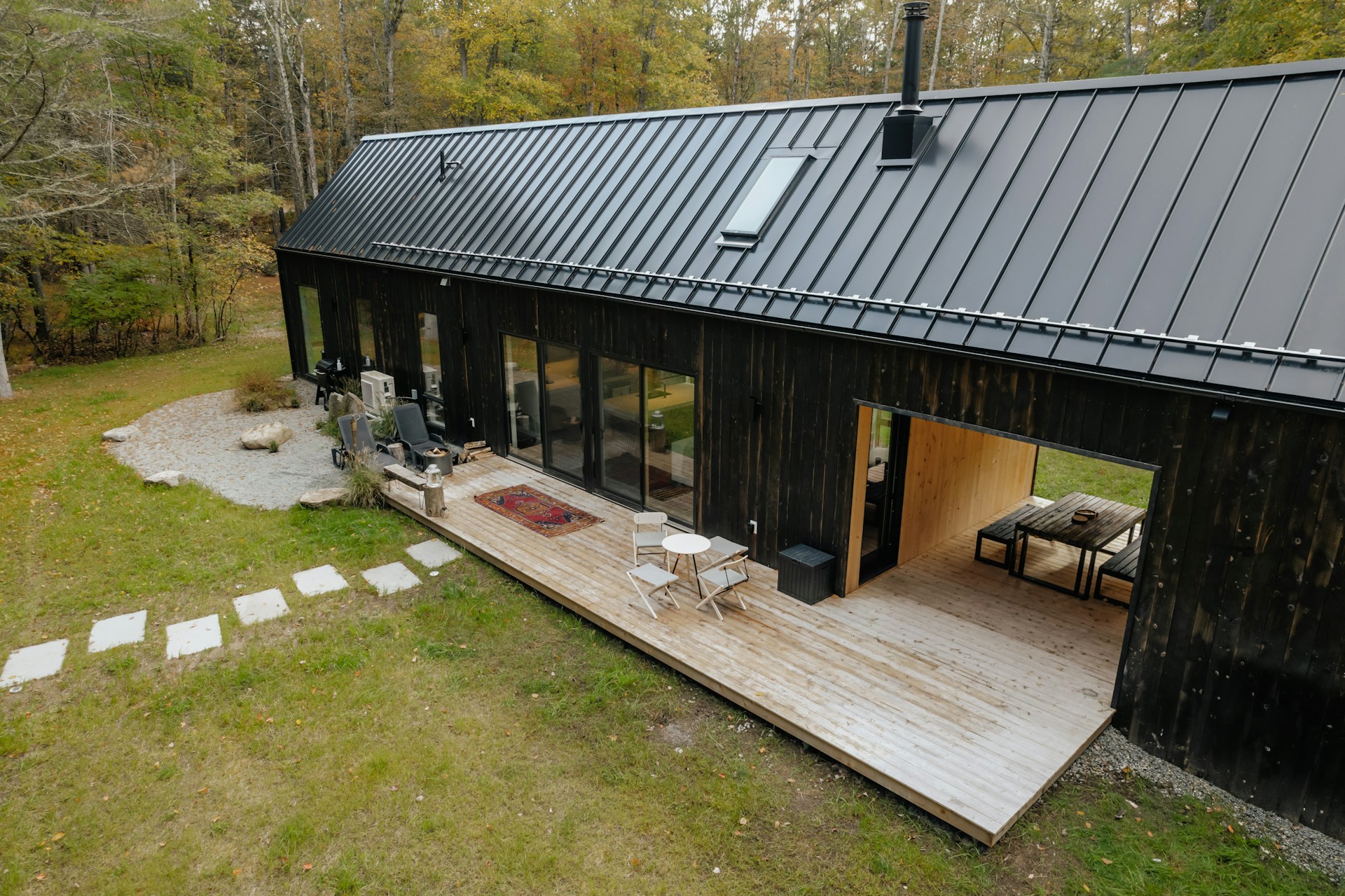

Some people think metal roofs are always loud when it rains. That is a fair worry, especially when thinking about fast, heavy showers in the colder months. But metal roofing in Cairo does not have to sound like a drum during a storm. With the right materials, structure, and installation choices, we can help keep things calm and quiet indoors.
Rain in Cairo usually comes down fast, but not very often. In late fall, when the weather begins to change, many homeowners start paying closer attention to their roof’s performance. They want to stay dry, of course, but they also want peace and quiet. That is why it helps to know what really affects how loud a metal roof sounds and how we can lower those noises right from the start.
How Rain Sounds Travel Through Roofing
The sound of rain depends a lot on what kind of roof you have. On metal surfaces, raindrops can hit directly, making sharp tapping sounds that echo through the space below. But that noise does not just come from the metal itself.
What is under the roof plays a big role. The framing, the type of fasteners used, and even the shape of the attic can all change the way sound moves through a building. When there is open space between the roof panels and the indoor ceiling, sound has more room to bounce. Older homes without good insulation or sealed joints might notice the echoes more than newer buildings with solid sealing.
• Roof shape and attic depth affect how sound travels
• Connecting pieces and structural gaps can increase noise
• Wide open areas under the roof act like sound boxes, making everything louder
So when a roof sounds loud in the rain, it is not just about the top layer. It is a blend of how everything fits together.
Material Choices That Muffle the Noise
Not all metal roofing sounds the same. Some panels are thinner and more flexible, which means they vibrate more when raindrops land on them. Thicker panels (especially ones with textured or coated finishes) tend to absorb some of that impact. That small difference in material thickness can cut down on sound levels inside the house.
What goes under the panels matters a lot too. Most quiet metal roofs have layers of padding beneath them. These underlayments can be made from foam, felt, or recycled materials. They help block sound before it gets into the living spaces below.
And then there is insulation. A properly insulated attic or ceiling acts like a blanket, softening outside noise before it reaches your ears. This is especially useful during cooler months when you want to trap heat and stop noise at the same time.
• Coated or textured metal panels vibrate less during rain
• Foam or felt pads added under the roof dampen rain impact
• Insulation keeps rooms warmer and blocks sound
Together, these layers build quiet from the outside in.
How Professional Installation Makes a Big Difference
Even the best materials will not help much if the roof is not properly installed. When metal panels are not spaced or sealed the right way, they can shift, rattle, or leave gaps that sound travels through. That is why the way your roof is built matters just as much as what it is made of.
Good installation starts with spacing. When there is enough room between the metal panels and the rest of the house, sound does not move as easily. Tight, well-placed joints stop panels from flexing too much and reduce vibration altogether.
Sealing is a huge part of this too. Areas around roof ridges, valleys, and edges need to be fully closed so wind and rain do not sneak in and make the roof sound louder during a downpour. Over time, solid installation means fewer noises during storms and fewer problems with wear and tear.
• Accurate spacing keeps metal panels from flexing and vibrating
• Sealed ridges and edges block loud air passages and echoes
• When parts are fitted tightly, they stay quieter longer
Building a quieter roof starts before the metal even goes up. It is about choices made during the install.
Local Considerations for Homes in Cairo
Roofing design always ties back to local weather and building style. In Cairo, many homes have flat roofs, and the dry air plays a role in how noise moves through a home. Open courtyards and wide ceilings can pick up sound in different ways.
Cairo’s fall and winter months bring sudden, fast rainstorms. These can hit hard against smooth metal and make rooms underneath feel noisier. Dry air conditions mean less moisture in the air to slow down sound waves, which can make noises feel sharper.
But we have worked in these conditions long enough to know what to expect. Local roof layouts, weather swings, and older structures all need a slightly different approach to stay peaceful during storms.
• Flat or wide roofs catch rain differently than sloped ones
• Open central spaces echo rain sounds if not properly sealed
• Colder, drier air makes sound seem louder
Knowing how Cairo’s homes are built helps guide better roofing decisions.
Quiet Comfort, Regardless of the Weather
A well-built metal roof does not have to be noisy when raindrops fall. In fact, metal roofing in Cairo can be just as calm and cozy as any other type if it is planned and installed with care. Every layer of the roof, from the top panel to the quiet space beneath it, matters in how it sounds under stormy skies.
The actual sound of rain inside a home depends on materials, structure, and expert installation. When those come together, we get more than just a strong roof. We get peace, warmth, and quiet, even when the weather outside is anything but.
Planning to upgrade your roof before winter? Our team helps Cairo homeowners make smart decisions with innovative designs and dependable materials for lasting comfort. For details on how metal roofing in Cairo combines strength and peace of mind, please see our product information and supplier details. Pharaohes Company is here to guide you in choosing the best solution for your home, contact us today to get started.