Call us: +(20) 2 22401140 - email Us: info@pharaohes.org

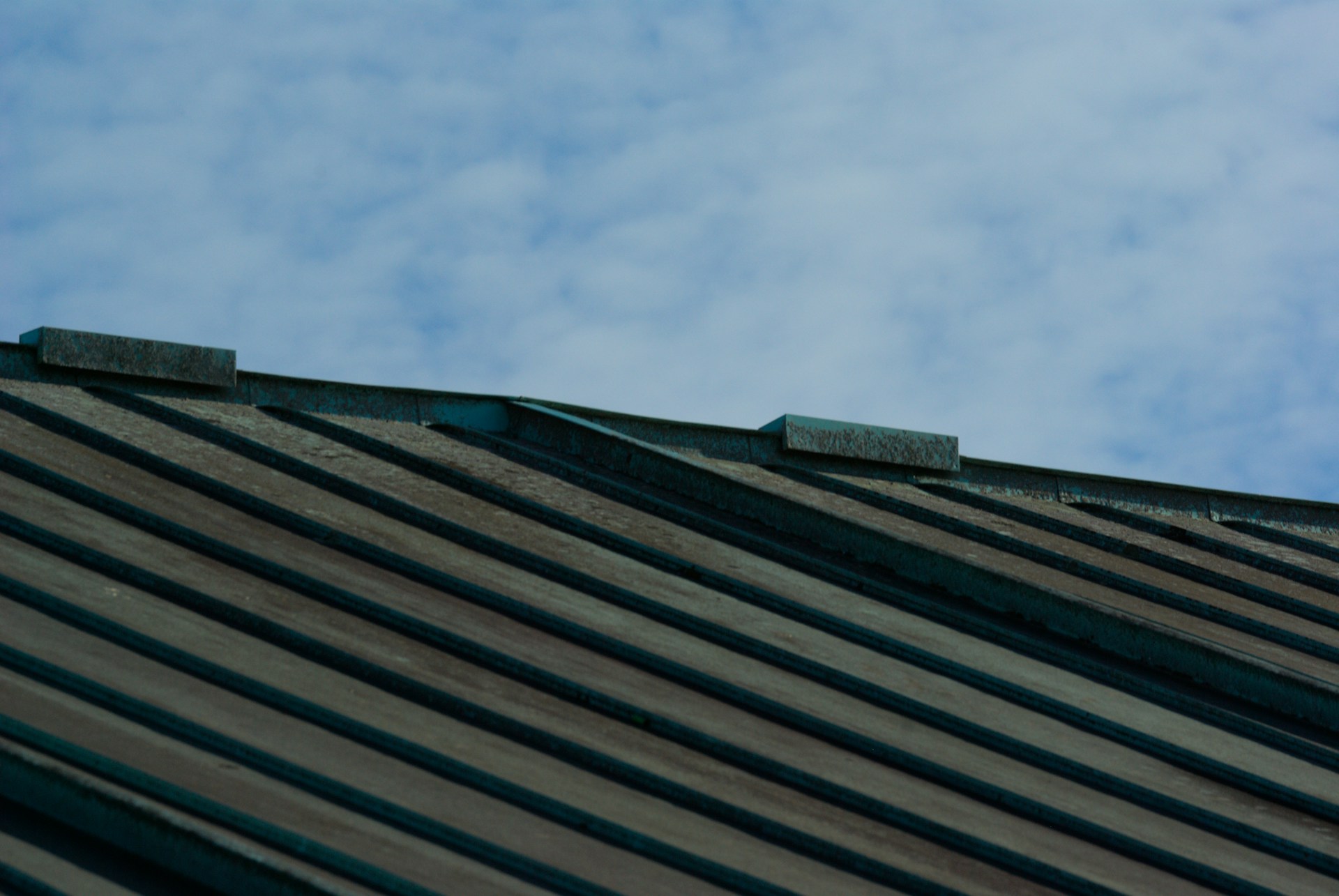

Winter in Cairo doesn’t bring snow or ice, but it still has a way of sneaking into our homes. Cooler nights settle in, and the dry air becomes more noticeable. It’s a quiet shift, but our roofs feel it just the same. Every season has different effects on roofing, and even a mild winter can bring wear, especially if the roof isn’t in great shape to start with.
We see more homeowners talking about how materials handle the change from Cairo’s long, hot summers to chillier winter nights. That’s where PVC roofing in Cairo comes up more often. It’s being chosen more because of how it stands up to winter stress. But like anything else, it still needs attention, and winter gives us the chance to catch small things before they become larger issues.
How Winter Weather Affects Your Roof in Cairo
Even without heavy snowfall, Cairo’s winter puts pressure on rooftops in its own way. Daytime heat still shows up now and then, but nights cool off fast. That quick change in temperature can stretch certain roofing materials. Over time, this back-and-forth movement can cause small cracks or shifts in places you might not notice right away.
Dust and wind are also part of the season here. Wind pushes fine sand into small corners of the roof, especially around seams and edges. Over time, this can wear things down or block drainage. Without a lot of rain to wash things off, buildup can happen slowly and easily get missed.
Even though winter feels easier on buildings than summer, we pay close attention to the way materials settle and respond to the season. The changes are quiet, but they have lasting effects if they go unchecked.
What Makes PVC Roofing Hold Up in Cold and Dry Conditions
PVC roofing holds its shape better than some materials when the temperature drops at night. It doesn’t shrink or harden the way other plastics might when exposed to cooler weather. When roofs warm up again during the day, the material stays steady without curling or shifting.
Since our summers are harsh, most roofs expand during those longer hot months. When winter arrives, we watch for how well they return to form. PVC roofing does well with this. It lays flat, maintains its seal points, and doesn’t crack as it adjusts to the change.
We also pay close attention to the seams and trims. These matter a lot in windier months, especially in places with open rooftop edges. When sealed properly, PVC isn’t as likely to peel or flap with winter gusts. It stays put, which saves a lot of trouble down the line.
Red Flags That Point to Possible Trouble
Winter is one of the best times to catch signs of roof wear early. The lower sun and cooler air highlight trouble spots that can go unnoticed in hotter weather.
Here’s what we look for:
• Loose seams or peeling edges
• Bubbling or ripples along the surface
• Panels or pieces that shift slightly with wind
These changes can signal water creeping in or damage from stretching and shrinking during the change in seasons. Even though it might seem like a small bubble or a hairline gap, those issues can quietly grow.
Winter makes it easier to check on your roof, especially after a windy day. And because the sun isn’t beating down as hard, workers can get a better idea of what’s going wrong without needing to rush repairs under intense heat. Skipping these checks might feel harmless in the moment, but over time, the repairs get bigger, costlier, and more involved.
What Professionals Look for Before and After Cold Weather Hits
Before the cold truly sets in, we spend more time on prep checks. When working with PVC, a few things make a big difference before winter starts.
Key things we pay attention to:
1. Flashing around pipes, windows, and outer edges
2. Drainage around lower corners of the roof
3. Expansion joints that help absorb temperature swings
If we catch early signs of blockage, cracking, or separation, we take care of them right away. Even small areas of buildup or worn seals can cause big headaches by the end of winter.
Once cold weather has been around for a few weeks, a second walkthrough can help. Sometimes the roof shows new signs of shifting or surface bubbling. And while the material itself may still be solid, watching how it reacts after Cairo’s crisp winter nights gives us good insight into what the roof will look like in spring.
Stay Ahead of Roof Worries This Winter
Even though we don’t get snowstorms here, Cairo winters still affect our roofs in real ways. The cooler air, dry winds, and fast temperature swings cause materials to move in ways that can surprise people if they aren’t looking for it.
Knowing what to watch for in PVC roofing during these months helps avoid costly fixes later. A roof that looks fine in December can show wear by February if early signs go unchecked. That’s why a little attention now saves a lot of trouble later on. We make it part of our normal routine to keep up with seasonal shifts and catch issues while they’re still small.
When you’re working with trained eyes and the right prep ahead of time, staying ahead of roofing problems becomes a lot easier. For homes with PVC roofing in Cairo, winter gives us a smart window to step in, check things over, and make sure the roof stays in good shape all year.
Noticing surface shifts or planning to prepare your roof for the season ahead? Winter offers the perfect opportunity to make sure your home is equipped for Cairo’s dry, cool months. Many homeowners benefit from materials that resist cracking and manage daily temperature swings, so learning how PVC roofing in Cairo could suit your needs is a smart move. At Pharaohes Company, we focus on seasonal impacts to make sure the roofs we install stay durable throughout the year. Call us today to discuss the best options for your home.